
By Grace Hills
TOPEKA — Kansas lawmakers are considering a bill that would require kindergarteners to be potty trained before starting school, pulling the decision-making power about how to handle those students away from school districts.
The House bill was introduced to reduce distractions in classrooms, supporters say. Opponents worry it would create a barrier for vulnerable children to access education, and argue the decision should be left to school districts.
The bill was one of three the House Education Committee heard Thursday, along with two others regarding state-funded scholarships.
House Bill 2486 would require school districts to get written assurance from parents that their child is potty trained before enrolling in school. School districts would have to figure out next steps if a child isn’t potty trained, such as whether they should refer additional support, appoint someone to help potty train the student, or remove the student from the school.
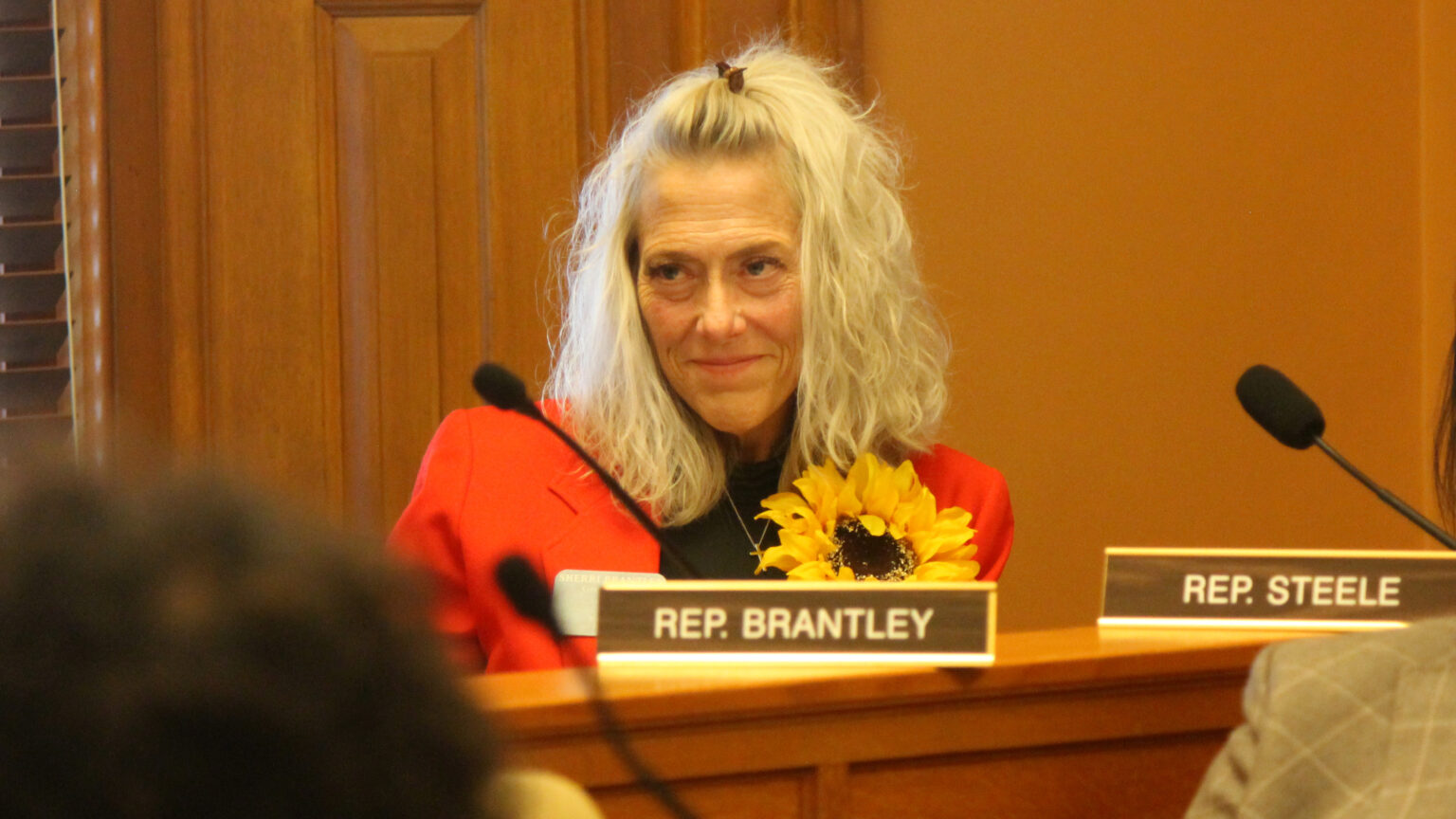
Rep. Sherri Brantley, a Republican from Great Bend, introduced the bill.
“When classrooms are not pulled off task for routine hygiene emergencies, teachers can protect instructional time — a critical driver of achievement — and students benefit from consistent, uninterrupted learning,” Brantley said.
The bill acknowledges that accidents happen — especially with kindergarteners ages 5-7 — and defines potty trained as when “accidents happen with such frequency as to impact the educational experience of the student or the student’s peers.” Students would need to be able to tell adults when they need to use the restroom, and use it without assistance from an adult.
Students with individualized education programs or a 504 plan, which are programs designed to help students with disabilities, or medical conditions would be exempt.
“This bill is not about denying access to education,” Brantley said. “It’s about early support and intervention so every child can start kindergarten safely, confidently, and ready to learn by setting a clear readiness expectation while also establishing compassionate pathways for families who need help.”
Opponents worry the bill would deny access to education, especially for vulnerable children.
“Lack of toilet training at age 5 is often a red flag for developmental delay, autism, or other medical conditions,” said Kimberly Martin, the legislative chair for Kansas School Nurses Organization. “By denying enrollment because of this symptom, the district is effectively punishing a child for a potential disability before it has been identified.”
Other opponents said foster children often experience significant trauma before starting school, which can make it difficult to potty train.

“The more kids we have held out of kindergarten for toileting issues, the more kids we have at risk of not getting to where we want them to be in our literacy efforts by the time they’re at about third grade,” said Leah Fliter, assistant executive director of advocacy for the Kansas Association of School Boards.
Brantley said she introduced the bill after hearing concerns from her constituents. Fliter said she had not heard concerns from the school boards.
“It appears to me that this should be a local control issue,” said Rep. Lon Pishny, a Republican from Garden City.
In the bill’s fiscal note, the Kansas State Department of Education said there would be no fiscal effect, but the Kansas Association of School Boards said there would be administrative costs.
“This would likely be an unfunded mandate because of the potential litigation,” Fliter said. “And again, you know, special education is not fully funded, and so we would ask that the Legislature not impose another unfunded mandate.”
The potential litigation Fliter mentioned is referring to opponents’ concerns that the bill contradicts a student’s right to a free public education.
Scholarship-related bills
The committee also heard two other bills that were requested for introduction by the Kansas Board of Regents regarding scholarships.
House Bill 2485 would allow the Board of Regents to negotiate and settle scholarship repayment obligations after the recipient fails to meet the obligations.
The Board of Regents offers a handful of scholarships that have service requirements, like the Promise Act, which requires recipients to live and work in Kansas after graduation. If the recipient fails to meet that service, they’re obligated to repay the scholarship.
Elaine Frisbie, vice president for finance and administration for the Board of Regents, said there are several thousand recipients who are required to repay.
She said the administrative cost of collecting these repayments is more than what they would recover. In 2019 they spent $539 on a third-party vendor to collect the repayments, and more than $11,000 in 2025.
“We have several students in the Promise Act, they owe us $164 and $6,” Frisbie said. “We’d rather devote our time and attention and resources to settling for what we can extract and then recouping those dollars for our scholarship programs and then moving on.”
There were no opponents to the bill.
House Bill 2487 would help define a teacher and paraprofessional to clarify eligibility for a scholarship.
